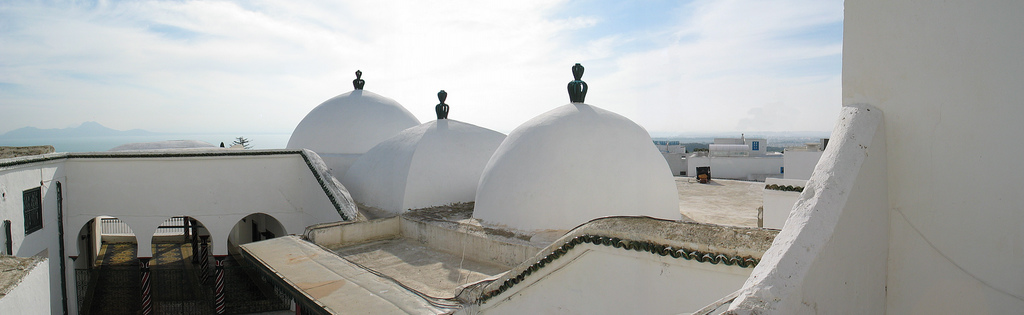
“He who walks in the footsteps of the saints, his step becomes light like the wind, and his heart as vast as the sea.” — Tunisian Sufi proverb
A Gate to the Invisible 💜
Perched on the azure coast of Carthage and bathed in the eternal light of the Gulf of Tunis, the mausoleum of Sidi Bou Saïd is far more than a tourist stop — it is a doorway to the unseen, an ancient breath that still vibrates through time.
This article invites you to discover the mystical spirit of this sanctuary — its history, its living rituals, and the timeless message it carries.
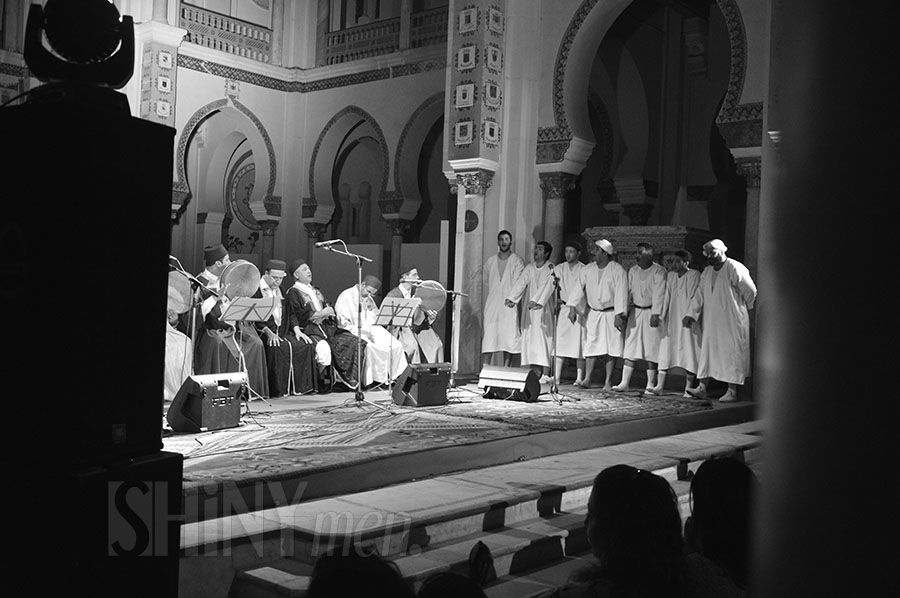
Rich in spiritual heritage, Tunisia opens a unique path into Islamic mysticism through its zaouïas (زاويات), where Sufi chants, dhikr (ذكر), and hadhra (حضرة) speak of unconditional love for the Divine.
Mystical Roots 💜
The Origin of Sidi Bou Saïd El-Béji
Sidi Bou Saïd (سيدي بوسعيد), born Abou Saïd Khalaf Ibn Yahya el-Tamimi el-Béji (أبو سعيد خلف ابن يحيى التميمي الباجي) in 1160 in Béja, was a revered Tunisian saint and scholar.
After memorizing the Qur’an, he pursued advanced religious studies and traveled to Bilad al-Sham (the Levant) to learn from the great scholars of his time. In 1207, he undertook the pilgrimage to Mecca and stayed there for three years. He later returned to Bilad al-Sham before settling back in Tunisia in 1210.
Choosing to retreat from social life, he spent most of his time in a mosque near Bab El Bhar in Tunis, close to what is now the entrance to the Zitouna Mosque.
A master of dhikr, silence, and contemplation, he quickly gained renown and became a model of piety and devotion. Sidi Belhassen Echadly, founder of the Shadhiliyya order, became one of his disciples. Sidi Bou Saïd also meditated near a lighthouse by Carthage and held a close and respectful bond with the mystic Sidi Abdelaziz Al Mahdaoui.
Influence on Tunisian Sufi Orders
From the Shadhiliyya to the Qadiriyya (قادرية), Sidi Bou Saïd embodied the ideal of the spiritual pole — the Qutb (قُطْبٌ) in Sufi terminology.
His teachings inspired major figures such as Abul Hasan al-Shadhili and Sidi Belhassen Chedly. Even today, his spiritual light continues to shine through Tunisian Sufi chants, dhikr circles, and vibrant, living traditions.
Transmission & Spiritual Heritage 📜
The Golden Chain
In the Sufi tradition, knowledge and presence are transmitted through the Silsila (سلسلة), a golden chain connecting the disciple (murid, مريد) to the spiritual master (shaykh, شيخ).
The zaouïa of Sidi Bou Saïd remains a crossroads of spiritual lineages and a center for:
- Qur’anic recitation (قرآن),
- Mystical studies (‘ilm at-tasawwuf, علم التصوف),
- Group dhikr and spiritual training.
The Mausoleum and the Zaouïa
After Sidi Bou Saïd’s death in 1231, a zaouïa was built in his honor atop Mount El Manar, at the heart of the village that now bears his name — Sidi Bou Saïd. A mosque was later added near his tomb by order of Hussein I Bey, completing this spiritual and architectural ensemble.
Cultural & Ritual Expressions 🎵
Chants, Hadhra & Processions
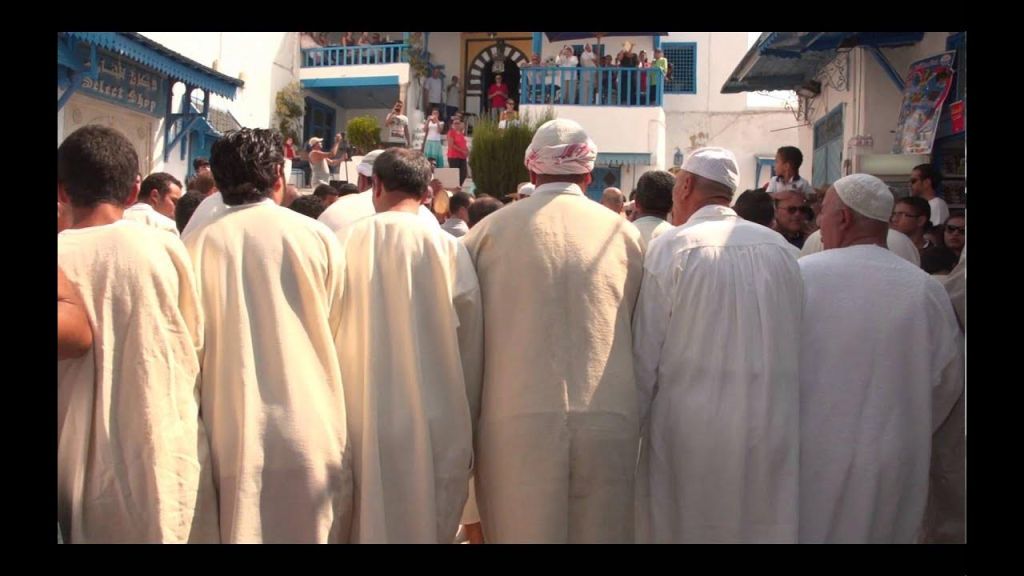
Each year, during the Mawlid (celebration of the Prophet Muhammad’s ﷺ birth), a candlelit procession lights up the alleys of Sidi Bou Saïd.
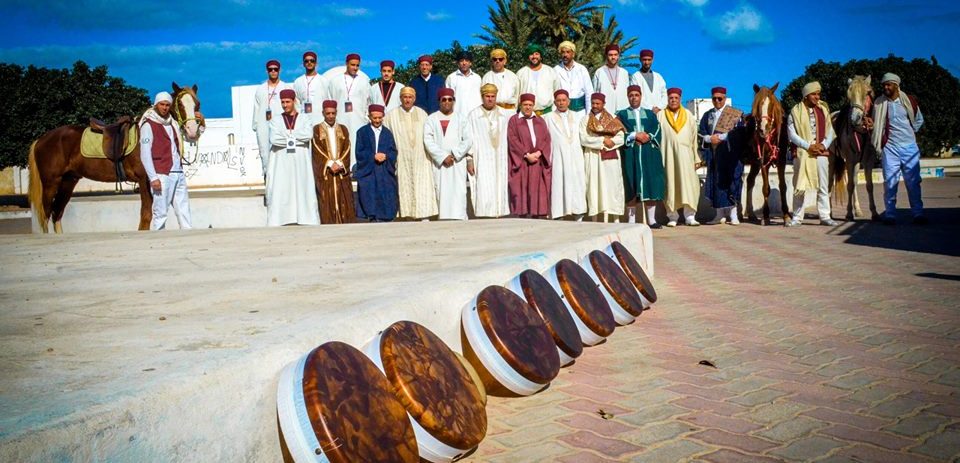
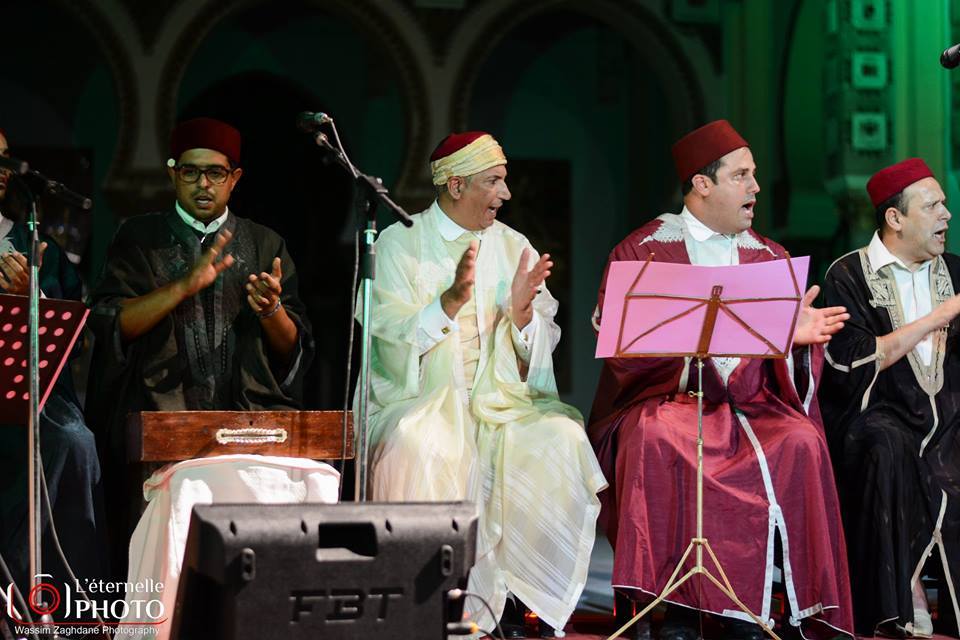
In the mausoleum, the air resonates with Tunisian Sufi chants: sacred poetry, vocal invocations, and the rhythmic pulse of bendir drums — echoes of the Divine Presence.
Sufism in Contemporary Tunisia 🌐
Between folklore and genuine spiritual practice, Tunisian Sufism is undergoing a revival.
Events such as the Sufi Festival of Nefta, digital archives of zaouïas, and academic research initiatives show a vibrant, evolving dynamic.
Yet, to preserve this heritage, living Sufi practices must be defended against superficial folklorization — always remembering their essence: heart-centered awakening and purification of the soul.
Why It Matters Today 💖
— A Path of Meaning
In a troubled world, Sufism offers a way of inner peace and depth.
— Cultural Legacy
Exploring Sidi Bou Saïd is a way to honor Tunisia’s spiritual and artistic heritage.
— Divine Connection
Dhikr, the loving repetition of the Divine Name, nurtures intimacy with God (الله).
— Inner Peace
Sufi rituals help restore calm, clarity, and compassion in everyday life.
Testimonial 👥
Amina, 28, Tunisian living in Paris:
“Visiting Sidi Bou Saïd’s mausoleum felt like returning to my roots. Listening to the hadhra, I was moved by a wave of love. Since then, I’ve practiced dhikr regularly to stay connected with my spiritual origins.”
📩 Contact Mouhamed Farouk Chlagou (Sidi Bou Saïd)
✨ Want to explore this luminous path further?
📧 Write to Mouhamed Farouk Chlagou (Sidi Bou Saïd)
🌐 Visit our site: chantsoufi.com
FAQ 📜
What is dhikr?
Dhikr is the spiritual practice of remembering and invoking the Divine Name.
What’s the difference between Sufism and classical Islam?
Sufism is the mystical, inner dimension of Islam, focused on the heart and spiritual presence.
Can the mausoleum be visited freely?
Yes — it is open to the public, in a respectful manner.
What do Sufi chants represent?
They are sacred songs meant to elevate the soul and lead to spiritual ecstasy (wajd, وجد).
Glossary 📚
- Tariqa (طريقة): spiritual path or Sufi order.
- Dhikr (ذكر): invocation/remembrance of God.
- Hadhra (حضرة): Sufi ritual involving music and chanting.
- Zaouïa (زاوية): spiritual and educational Sufi center.
- Awliya (أولياء): saints and friends of God.
Useful Links 🔗
- Sufi Festival of Nefta
- Museum of Intangible Heritage of Tunisia
- Video: Hadhra at Sidi Bou Saïd (YouTube)
- Academic Article: Origins of Sufi Dhikr (academia.edu)
- Official site of the Zaouïa Sidi Bou Saïd
Conclusion 📸
Walking toward Sidi Bou Saïd’s mausoleum is stepping into a space suspended between heaven and earth.
A place where the voices of the saints still whisper, where every breath carries the echo of eternity. 💜
By honoring this spiritual jewel of Tunisia, we reconnect with a spark of our own inner light.
 CHANT SOUFI
Laisser un commentaire